Storm Damage That Threatens Property and Safety
24 Hour Emergency Services in Sanford for properties impacted by fallen trees, hurricane damage, and hazardous weather conditions
When a tree splits during a hurricane or a limb crashes through a roof line, the minutes following impact determine how much additional water intrusion, structural stress, and secondary damage occur. D&G Outdoor Solutions provides 24 hour emergency services in Sanford, deploying rapidly to secure properties and stabilize hazardous conditions after severe weather events. This service addresses the immediate threat of exposed structures, blocked access routes, and trees that remain partially attached and unstable after wind or lightning strikes.
Emergency response involves on-site hazard assessment to identify which trees or limbs pose ongoing collapse risk, immediate removal of debris blocking entryways or damaging roofing materials, and securing compromised areas to prevent water penetration before full repairs begin. In Central Florida, the combination of saturated soil from tropical systems and sustained winds means trees often uproot rather than snap, creating root ball hazards and underground utility exposure that require specialized equipment to address safely.
Call immediately if storm damage has left trees leaning against structures, blocking driveways, or hanging from partial breaks.
How Emergency Tree Services Reduce Secondary Damage
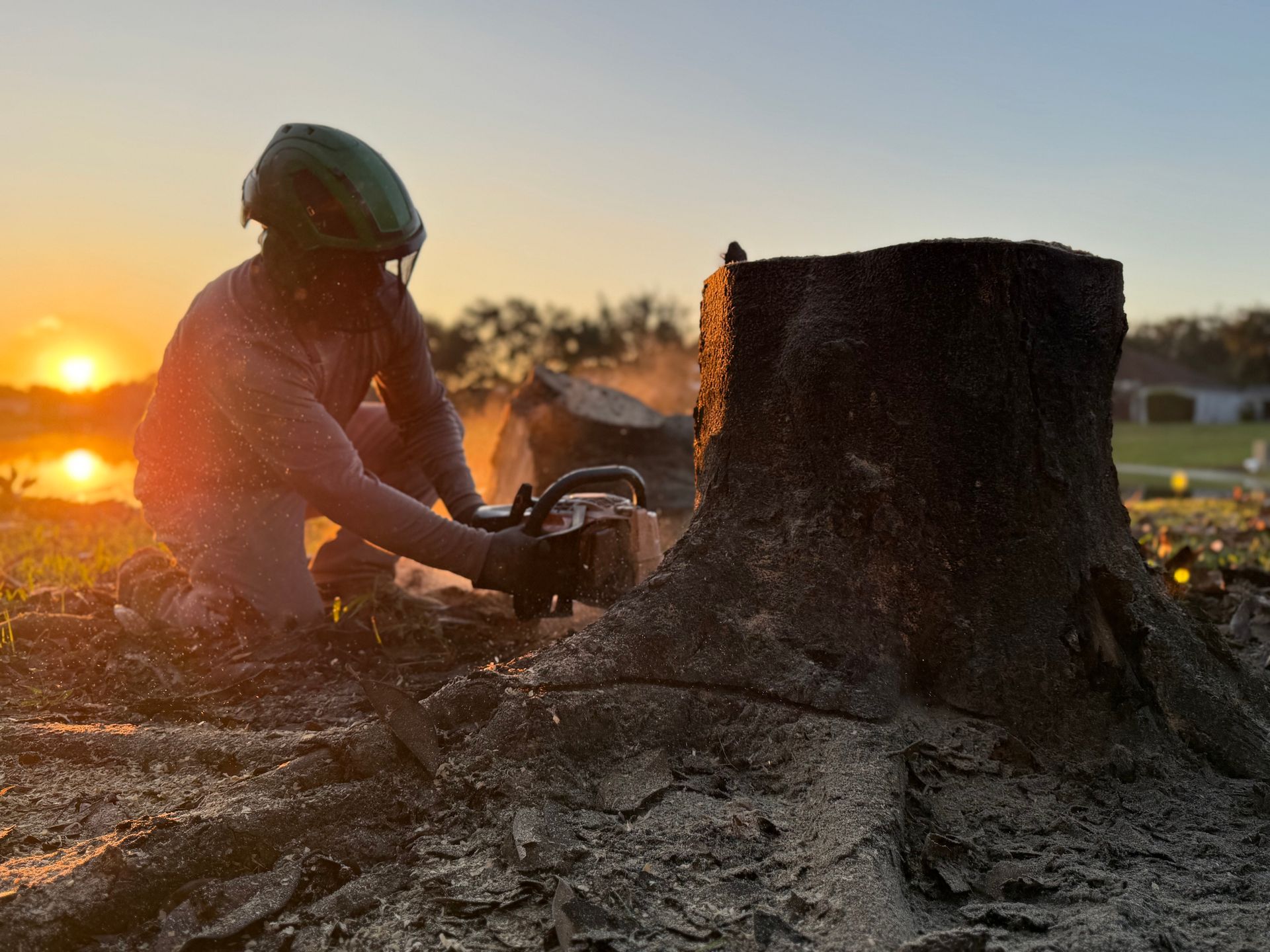
Emergency tree removal prioritizes safety-first procedures, working around downed power lines, compromised building envelopes, and unstable root systems that shift unexpectedly under equipment weight. Crews assess whether trees can be sectioned and rigged down in place or if crane access is required to lift material away from structures without dragging debris across roofing or siding. Storm preparation services before hurricane season involve crown reduction on vulnerable species, cabling for trees with co-dominant leaders, and removing deadwood that becomes projectile material in sustained winds above 60 miles per hour.
After emergency crews clear immediate hazards, properties no longer face active threats from hanging limbs, water entering through punctured roof decking, or vehicles trapped under fallen canopy material. D&G Outdoor Solutions handles both residential properties where single-tree failures create localized crises and commercial sites where multiple failures across parking areas or building perimeters require coordinated debris clearing to restore access for tenants and customers. You'll notice secured tarping over roof penetrations, cleared pathways to entry points, and removal of all hanging or leaning wood that could shift with changing wind direction.
Emergency response also includes documentation of damage for insurance claims, with detailed notes on species failure, root condition, and whether pre-existing decay contributed to the collapse. Availability extends to both immediate post-storm scenarios and urgent situations where trees begin failing during active weather, requiring work between squall lines when conditions temporarily permit safe access.
Questions Property Owners Ask During Emergency Situations
Severe weather events across Sanford and surrounding areas often raise urgent concerns about response timing, safety protocols, and what emergency tree services actually include when hazards develop suddenly.
What happens if a tree falls during a hurricane while winds are still dangerous?
Emergency crews monitor conditions and deploy as soon as wind speeds drop below thresholds that allow safe chainsaw operation and rigging work, typically when sustained winds fall below 35 miles per hour, prioritizing life-safety hazards like trees on occupied structures or blocking sole egress routes.
How quickly can emergency tree removal crews arrive after storm damage occurs?
Response times depend on call volume following widespread weather events, but dispatch prioritizes properties with active structural compromise, downed lines creating electrocution risk, and complete access blockages ahead of cosmetic damage or debris in non-critical areas.
What equipment is used to remove trees that have fallen onto buildings?
Crews use rigging systems to tension and control sectioned wood as it's cut, cranes to lift material vertically away from roof planes when access allows, and specialized saws to cut through compressed wood under load without binding or sudden release that could worsen structural damage.
Does emergency service include tarping or temporary roof protection?
Emergency tree removal focuses on clearing wood and stabilizing the site, but crews coordinate with tarping where removal has exposed roof decking to weather, securing coverings until permanent roofing repairs can be scheduled.
When should storm preparation services be scheduled to reduce hurricane vulnerability?
Preparation work should be completed before June 1st when hurricane season begins, allowing time to reduce canopy weight on large trees, remove declining specimens near structures, and address weak branch unions that fail predictably under wind loading common to Central Florida tropical systems.
D&G Outdoor Solutions maintains readiness for both residential and commercial emergency situations throughout hurricane season and during unexpected severe weather events. Contact our emergency line at (689) 352-4786 the moment hazardous tree conditions develop on your property.